Discover the Benefits of Smart Building Systems
In the evolving landscape of facility management, the integration of smart building systems has become a pivotal strategy for enhancing operational efficiency and sustainability. These systems, designed to optimize the control and monitoring of various building functions, offer a multitude of advantages that extend beyond mere convenience. Their implementation is particularly significant in commercial, healthcare, and educational facilities, where energy consumption and occupant comfort are critical concerns. This article explores the multifaceted benefits of smart building systems, providing a comprehensive understanding of their impact and practical applications.
The Role of Smart Building Systems in Modern Facilities
Smart building systems encompass a range of technologies that automate and streamline the management of building operations. These include heating, ventilation, and air conditioning (HVAC), lighting, security, and energy management. By integrating these components into a centralized platform, facility managers can achieve real-time monitoring and control, leading to improved efficiency and reduced operational costs.
For instance, in a commercial office building, smart sensors can adjust lighting and temperature based on occupancy, thereby minimizing energy waste. Similarly, in healthcare facilities, these systems ensure that critical environments maintain strict climate control, enhancing patient safety and comfort. Educational institutions benefit from automated scheduling of lighting and HVAC systems, aligning energy use with class times and occupancy patterns.

Advantages of Smart Building Systems for Energy Management
Energy management stands as one of the most compelling reasons to adopt smart building systems. These systems provide detailed analytics and insights into energy consumption patterns, enabling targeted interventions to reduce waste. Automated controls adjust energy use dynamically, responding to changes in occupancy and external weather conditions.
A practical example can be found in the use of demand-controlled ventilation in large office spaces. By modulating airflow based on carbon dioxide levels, the system ensures optimal air quality while conserving energy. Additionally, smart meters and sub-metering allow for granular tracking of energy use across different zones, facilitating precise budgeting and maintenance planning.
The financial benefits are substantial. Facilities can expect significant reductions in utility bills, often recouping the initial investment in smart technologies within a few years. Moreover, these systems contribute to sustainability goals by lowering carbon footprints, an increasingly important consideration for public and private institutions alike.
What is meant by building automation?
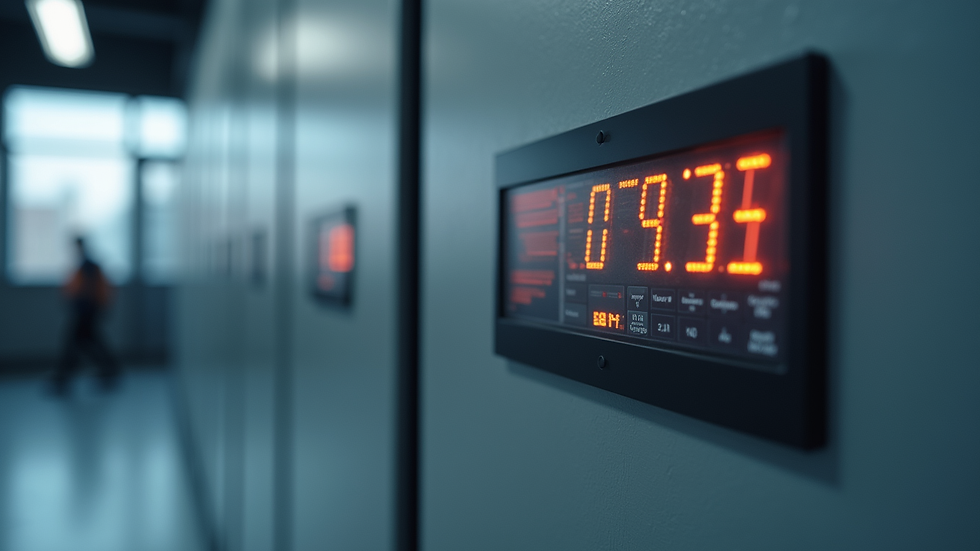
Building automation refers to the centralized, automated control of a building's systems and services. This includes HVAC, lighting, security, fire safety, and other critical infrastructure components. The primary objective is to enhance operational efficiency, occupant comfort, and safety through intelligent monitoring and control.
At its core, building automation integrates sensors, controllers, and software to create a responsive environment. For example, temperature sensors detect changes in room conditions and communicate with HVAC units to adjust heating or cooling accordingly. Similarly, occupancy sensors can trigger lighting systems to turn on or off, reducing unnecessary energy use.
The sophistication of building automation systems varies, ranging from simple programmable thermostats to complex networks that incorporate artificial intelligence and machine learning. These advanced systems can predict maintenance needs, optimize energy consumption, and adapt to user preferences, thereby transforming traditional buildings into smart environments.
Enhancing Comfort and Safety through Smart Technologies
Beyond energy savings, smart building systems significantly improve occupant comfort and safety. Automated climate control ensures consistent temperature and humidity levels, which is essential in healthcare settings where patient well-being is paramount. In educational facilities, maintaining a comfortable learning environment can enhance concentration and productivity.
Safety is also augmented through integrated security systems that include surveillance cameras, access control, and alarm systems. These components work in unison to provide real-time alerts and automated responses to potential threats. For example, in the event of a fire, the system can automatically unlock exit doors, activate alarms, and notify emergency services.
Furthermore, smart systems facilitate compliance with regulatory standards by maintaining detailed logs and reports. This capability is particularly valuable in healthcare and commercial sectors, where adherence to safety and environmental regulations is mandatory.
Practical Recommendations for Implementing Smart Building Systems
Successful adoption of smart building systems requires careful planning and execution. The following recommendations can guide facility managers and contractors in Wisconsin to maximize the benefits:
Conduct a comprehensive assessment of existing infrastructure to identify opportunities for automation and integration.
Prioritize systems based on impact and feasibility, starting with HVAC and lighting controls, which typically offer the greatest energy savings.
Engage with experienced specialists who understand the unique needs of commercial, healthcare, and educational facilities.
Invest in scalable solutions that allow for future expansion and integration of emerging technologies.
Implement robust training programs for facility staff to ensure effective operation and maintenance of smart systems.
Monitor performance continuously using analytics tools to identify areas for improvement and validate energy savings.
By following these steps, facilities can achieve a seamless transition to smart building systems, enhancing both operational efficiency and occupant satisfaction.
The Future of Facility Management with Smart Building Systems
The trajectory of smart building systems points toward increasingly intelligent and autonomous environments. Advances in artificial intelligence, machine learning, and the Internet of Things (IoT) are driving innovations that will further optimize building performance. Predictive maintenance, adaptive energy management, and personalized occupant experiences are becoming standard features.
In Wisconsin, where seasonal variations impact energy demand, smart systems offer a strategic advantage by adapting to changing conditions in real time. This adaptability not only reduces costs but also supports sustainability initiatives critical to the region's environmental goals.
Ultimately, the integration of smart building systems represents a forward-thinking approach to facility management. It empowers organizations to operate more efficiently, reduce environmental impact, and provide safer, more comfortable spaces for occupants. Embracing these technologies today lays the foundation for resilient and sustainable buildings of the future.
For those interested in exploring the potential of building automation, expert consultation and tailored solutions are available to meet the specific needs of Wisconsin's commercial, healthcare, and educational sectors.
By understanding and leveraging the benefits of smart building systems, facilities can achieve a harmonious balance between technology, efficiency, and occupant well-being. The journey toward smarter buildings is not merely a technological upgrade but a strategic investment in the future of facility management.


Comments